
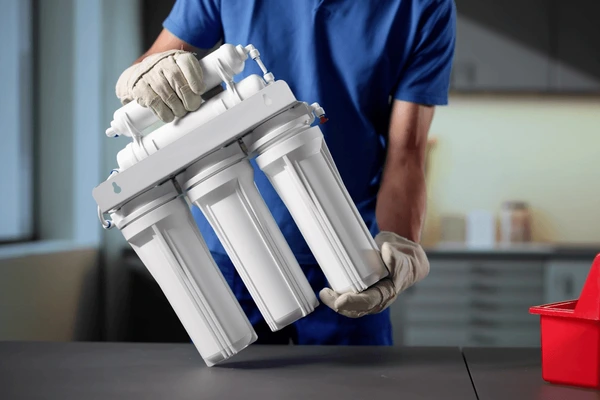


In a well-maintained pre-war co-op in Forest Hills, Queens, residents began noticing a sharp, bleach-like odor from their kitchen and bathroom taps. The issue was particularly confusing because the building had installed a high-end central filtration system intended to reduce unpleasant tastes and smells. Situations like this demonstrate why filtration should be supported by laboratory analysis, including Professional microplastics water testing in Brooklyn, to detect contaminants that standard systems may not effectively remove.
This case study highlights a growing reality for New Yorkers in 2026: even the best building-wide interventions can be undermined by the complexities of “premise plumbing” and the chemical behavior of municipal city water systems. When the board of this Queens co-op commissioned a professional laboratory audit, they discovered that the chlorine smell wasn’t a failure of their filter, but a byproduct of how water interacts with aging infrastructure after the filtration point.
The Filtration Paradox: Why Central Systems Sometimes Fall Short
The co-op’s board had installed a massive activated carbon filtration system at the building’s main intake several years prior. Carbon is exceptionally effective at adsorbing chlorine the chemical used by the city to keep water safe from pathogens. Under ideal conditions, this should have resulted in odorless, tasteless water for every unit.
However, a central filter only treats the water as it enters the building. Once the water passes through that filter, it must still travel through hundreds of feet of vertical risers and horizontal branch lines to reach individual apartments. In older Queens buildings, these pipes often contain decades of accumulated mineral scale and biofilm. By removing the chlorine residual at the entry point, the building inadvertently removed the “shield” that prevents bacterial regrowth within the internal pipes. When the water stagnated in these lines, it began to interact with organic matter, creating a complex chemical reaction that residents perceived as a “chlorine” smell, even though the actual free chlorine levels were near zero.
The Science of Chloramines and Total Chlorine
The laboratory audit revealed a fascinating distinction that is often missed in basic testing. While “Free Chlorine” (the active disinfectant) was absent thanks to the filter, the “Total Chlorine” levels remained detectable. This indicated the presence of chloramines.
Chloramines form when chlorine reacts with ammonia or organic nitrogen compounds found in the biofilm of aging pipes. Unlike free chlorine, chloramines are much more stable and produce a much more pungent “swimming pool” odor. For the Queens residents, the smell was actually a sign that the water was struggling against the biological environment of the building’s own plumbing. As we often discuss in our blog, the removal of one chemical can sometimes trigger the emergence of another if the entire plumbing ecosystem isn’t managed holistically.
Health Risks and Aesthetic Nuisance
While the smell of chlorine is primarily an aesthetic nuisance, it can signal underlying contaminants that pose actual health risks. In the Forest Hills co-op, the odor was a proxy for high levels of Disinfection Byproducts (DBPs). DBPs, such as trihalomethanes (THMs), form when disinfectants react with organic material over time.
For residents with sensitive skin or respiratory issues like asthma, these volatile compounds can be irritating, especially when aerosolized in a hot shower. The Environmental Protection Agency (EPA) regulates these compounds because long-term exposure has been linked to chronic health issues. This Queens family realized that their “clean” filtered water was actually undergoing a chemical degradation that required a more nuanced approach than just a single central filter.
The “Last Mile” in Queens Co-ops
Queens is a borough of diverse housing, but its co-op boards face a shared challenge: the “last mile” of plumbing. Most of these buildings were piped during eras when the materials used such as galvanized steel or brass with lead-based solder were the industry standard. Over time, these materials corrode.
When the co-op board analyzed the testing data, they found that the apartments on the higher floors, further from the central filter, had the strongest odors. This was due to “water age.” The longer the water sat in the building’s risers, the more time it had to react with the pipe walls and the biofilm. This is a common point in our FAQ: why one unit might have perfect water while their neighbor three floors up is reporting issues.
How the Co-op Board Solved the Mystery
Armed with the laboratory audit, the co-op didn’t just replace the filter; they changed their management strategy.
Implementing a Flushing Protocol: They realized that water stagnation was their biggest enemy. The building staff began a scheduled flushing of the common-area lines, and residents were encouraged to run their cold water for several minutes after a weekend away to clear out the “aged” water.
Point-of-Use Supplementation: For residents particularly sensitive to the odors, the board recommended small, unit-specific KDF-55 or Vitamin C filters for showerheads. These are designed to neutralize the chloramines that form after the central filter.
Internal Pipe Cleaning: The building began a long-term project of “passivation” a chemical cleaning of the interior of the risers to remove the biofilm and mineral scale that were reacting with the water.
Regular Laboratory Monitoring: Instead of a “set it and forget it” approach, the board committed to semi-annual testing at various points in the building to ensure the contaminants were being successfully managed.
Why Unit-Specific Testing Still Matters
The experience of this Queens co-op is a powerful reminder that “building-wide” solutions are only as good as the pipes they flow through. For a condo owner or co-op shareholder, relying on the building’s general report can be a mistake. A unit-specific audit is the only way to know the exact chemistry of the water coming out of your tap.
In 2026, transparency is the most valuable asset in the New York real estate market. A building that can prove its water quality through documented laboratory data is one that protects its residents’ health and its property values. For those interested in the city water systems of Queens, this case study serves as a blueprint for proactive infrastructure management.
Practical Tips for Queens Residents
If you live in a Queens co-op and are noticing odors despite building-wide filtration, consider these steps:
- Test for Both Free and Total Chlorine: Knowing the difference will tell you if your smell is from the city’s supply or from your building’s internal reactions.
- Identify Stagnant Points: Odors are usually strongest in guest bathrooms or sinks that aren’t used daily.
- Clean Your Aerators: The screens at the end of your faucets trap organic debris that can cause localized odors right at the tap.
- Review Building Maintenance Records: Ask your board how often the central filter media is changed and if the building’s roof tank is cleaned annually.
Conclusion: Data-Driven Solutions for a Healthier Home
The Forest Hills co-op didn’t have a “bad” filter; they had a complex plumbing environment that required more than a one-size-fits-all solution. By moving from sensory complaints to scientific data, they were able to restore the water quality their residents expected.
Water safety is an ongoing dialogue between the city’s supply, the building’s infrastructure, and the resident’s habits. If you are experiencing unusual smells or tastes in your water, don’t wait for the building board to act. The best first step is to contact a professional for an independent audit. Let the data empower you to ensure your home’s water is as safe as it is clear. For more information on navigating the complexities of New York water, explore our contaminants guide or check out our latest blog posts.